
Seeds
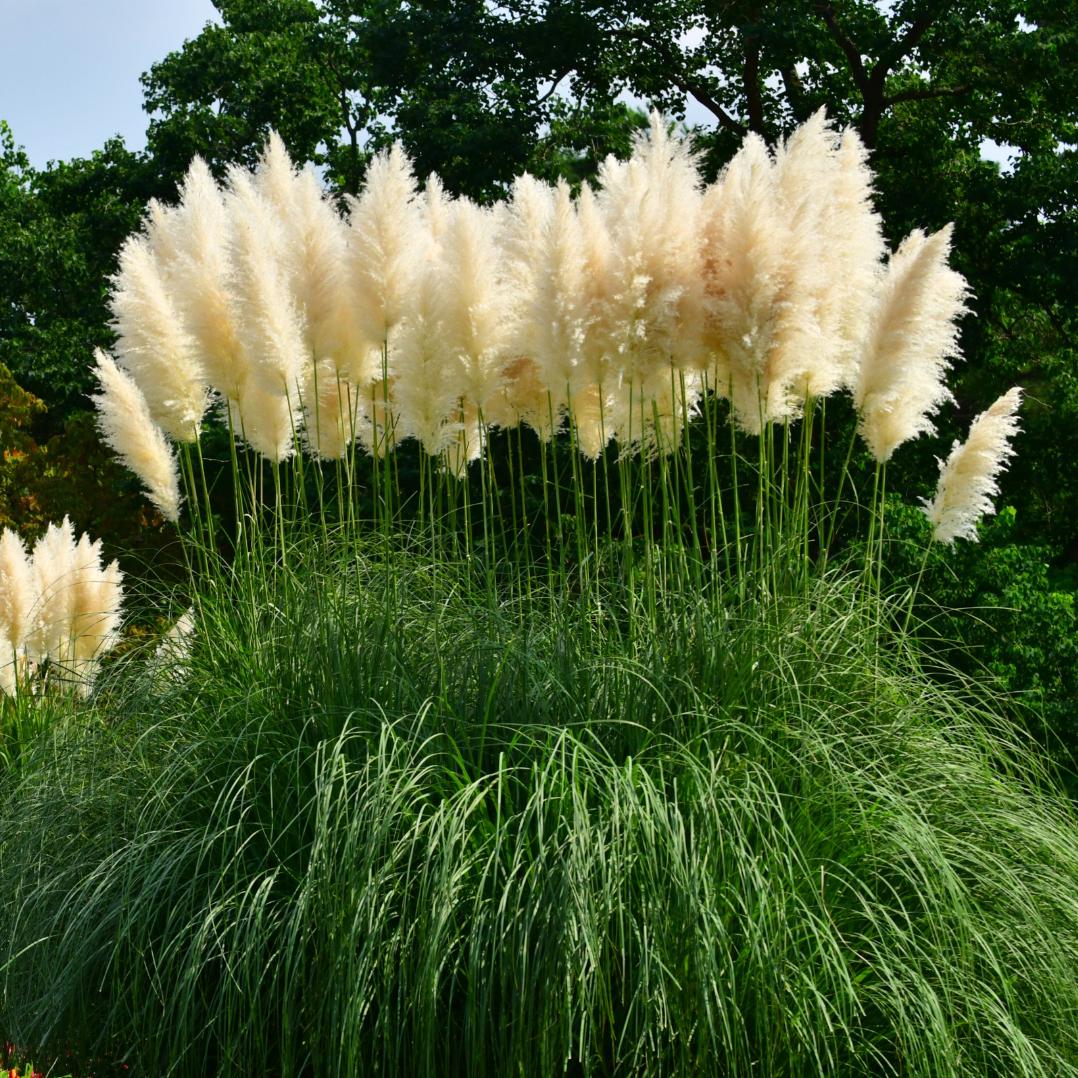
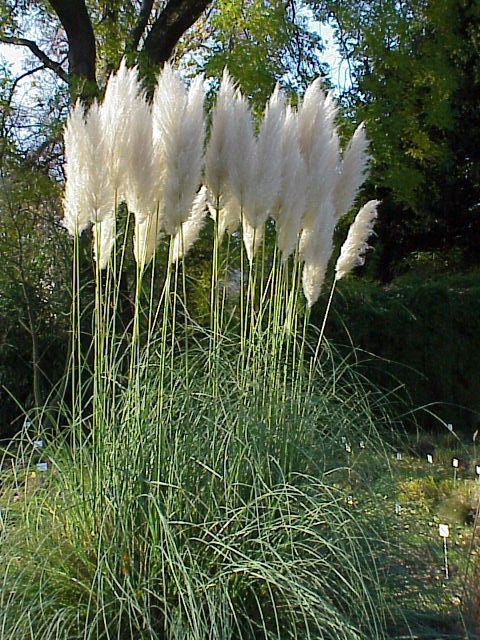
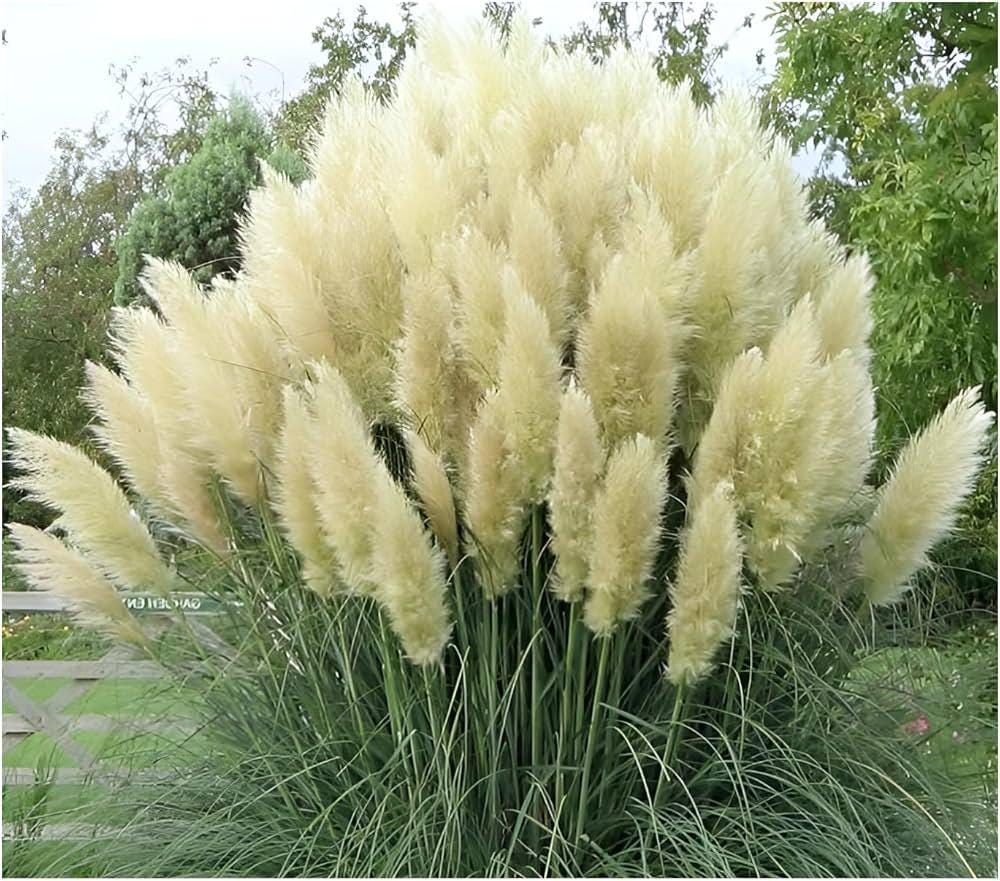
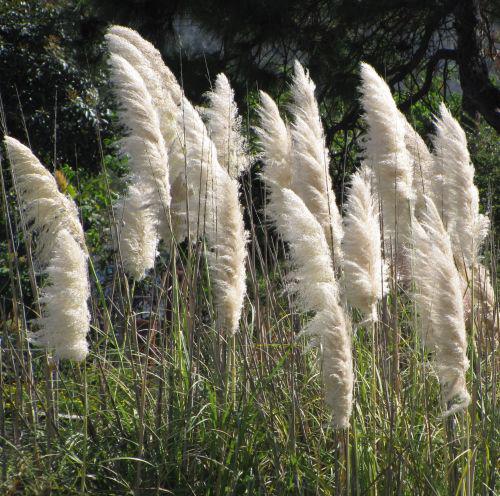
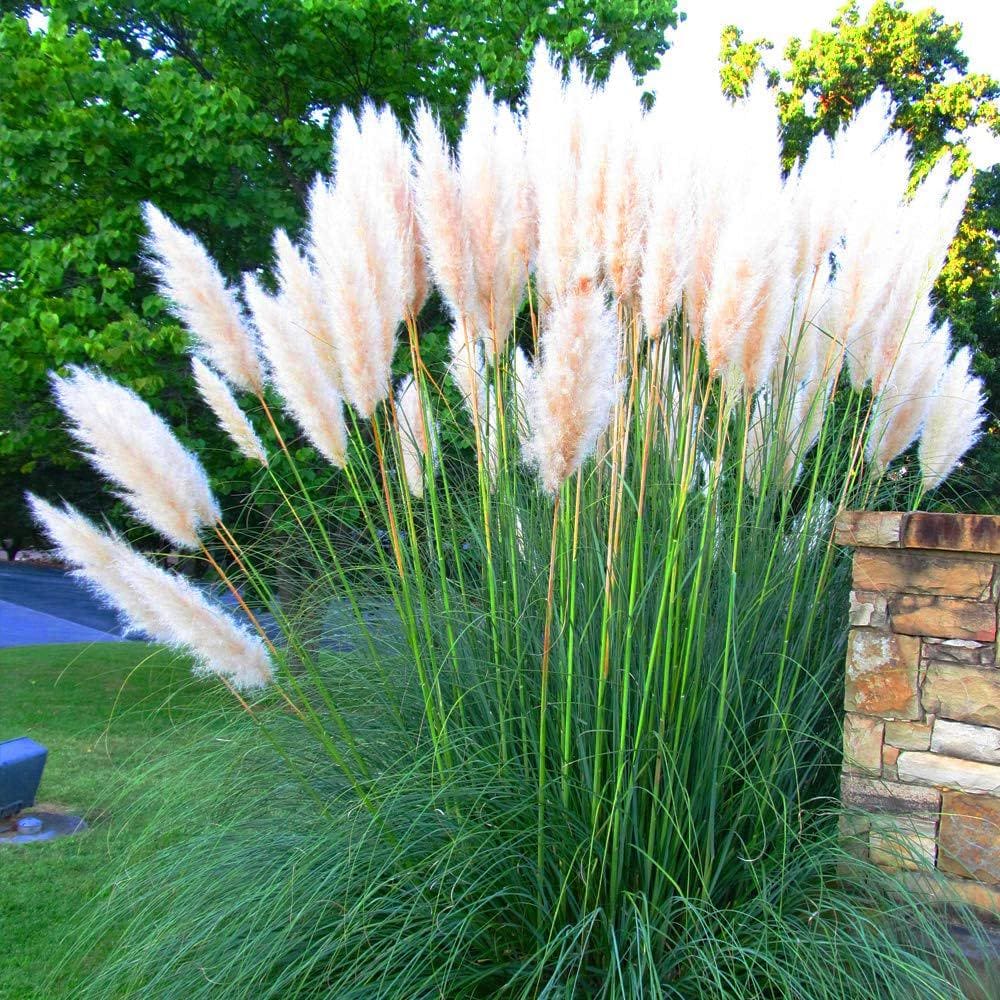
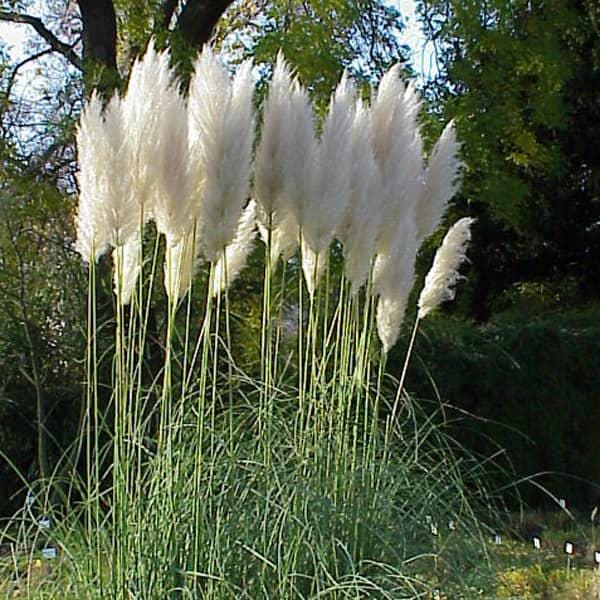
10 Cortaderia Selloana White Seeds, Pampas Grass, Pampas Grass, Feathered Reed
$6.99 $10.00
(2)
-
DetailsCortaderia selloana, commonly known as pampas grass, is an ornamental herbaceous plant prized for its large plumes of feathery flowers and spectacular beauty. Cortaderia selloana seeds don't always germinate easily, but with a little patience and care, you can successfully sow them. Here's a step-by-step guide to sowing Cortaderia selloana seeds.
---
### **Materials needed:**
- Seeds of **Cortaderia selloana**.
- Light, well-draining substrate (seedling soil, sand and perlite).
- Pots or seed trays.
- Mini greenhouse or plastic film (optional).
- Spray bottle or watering can with a fine nozzle.
- Labels to mark the seedlings (optional).
---
### **Steps for sowing Cortaderia selloana seeds:**
#### 1. **Prepare the seeds:**
- **Seed Scarification**: **Cortaderia selloana** seeds have a hard shell, which can slow their germination. To increase the chances of success, you can lightly scarify the seeds before sowing. Gently rub them with sandpaper or use a small knife to make a small incision in the shell. This allows moisture to penetrate more easily.
- **Soaking the seeds** (optional): Some people recommend soaking the seeds in **warm water** for **24 hours** before sowing to facilitate germination. This can improve germination rates, but it is not strictly necessary.
---
#### 2. **Prepare the substrate:**
- Use a light, well-draining substrate. A mixture of **seed-starting mix** with **perlite** or **sand** is ideal. **Cortaderia selloana** doesn't like excessive moisture, so well-aerated soil is essential to prevent seed rot.
- Fill **pots** or **seed trays** with this substrate, then lightly moisten the mixture. The soil should not be soggy, but moist.
---
#### 3. **Sow the seeds:**
- **Sow the seeds on the surface** of the substrate, as they need light to germinate. Do not bury them deeply. You can gently press the seeds into the substrate, but avoid burying them.
- If you sow several seeds in the same container, space them slightly apart (about **2 to 3 cm**), as the seedlings will need space to develop.
---
#### 4. **Germination conditions:**
- **Temperature**: **Cortaderia selloana** seeds germinate best at temperatures between **18 and 22°C**. Therefore, it is advisable to sow indoors or in a sheltered location if outdoor temperatures are too cold.
- **Light**: As mentioned previously, the seeds need **light** to germinate. Therefore, keep them in a bright place, but out of direct sunlight for the first few weeks.
- **Humidity**: Lightly cover the pots with **plastic film** or a **mini-greenhouse** to maintain good humidity. Ventilate regularly to avoid excessive condensation which could cause mold.
---
#### 5. **Germination time:**
- **Cortaderia selloana** seeds can take some time to germinate, generally between **2 and 4 weeks**, although germination can be slower depending on conditions. Be patient and maintain stable conditions to promote germination.
---
### **Seedling Care:**
#### 1. **After germination:**
- Once the seeds have germinated and the first leaves have appeared, remove the plastic film or mini-greenhouse. This will allow the seedlings to begin acclimatizing to drier air conditions and prevent excess humidity.
- Place the seedlings in a **sunny** location but avoid direct sunlight during the first few weeks to prevent burning the young leaves.
#### 2. **Watering:**
- Water lightly and regularly. Keep the soil **moderately moist** but well-drained, as excess moisture can lead to root rot.
- Use a **sprayer** or a **watering can with a fine nozzle** to avoid disturbing the young seedlings.
---
#### 3. **Transplanting the seedlings:**
- Once the seedlings have reached about **10 to 15 cm in height** and the roots have started to develop well, you can transplant them into larger pots if you wish to keep them indoors or in pots.
- If you plant them directly in the ground, wait until the seedlings are large enough to handle and the risk of frost has passed. Transplanting outdoors can be done in **spring**, when temperatures are warmer and more stable.
---
### **Transplanting in open ground:**
#### 1. **When to transplant outdoors:**
- Cortaderia selloana is a hardy plant, but it prefers a warm climate. You can plant it outdoors when temperatures are above 15°C, generally in spring or summer, after the last frost.
#### 2. **Location:**
- Choose a **sunny** and **sheltered** location for your **Cortaderia selloana**. It prefers **well-drained** soil that is slightly acidic or neutral. If the soil is heavy, you can improve it by adding **sand** or **perlite**.
#### 3. **Spacing:**
- Cortaderia selloana is a relatively large plant and needs plenty of space to grow. Make sure to leave at least 1 to 1.5 meters between each plant.
---
### **Post-planting maintenance:**
1. **Watering:**
- Cortaderia selloana is fairly drought-tolerant once established, but it requires regular watering during the growing season, especially in summer. Avoid overwatering, which can cause root rot.
2. **Fertilization:**
- Light fertilization can be carried out in spring with a balanced fertilizer. Avoid over-fertilizing, as this could promote leaf growth at the expense of flowering.
3. **Size:**
- Cortaderia selloana does not require regular pruning. You can cut back faded stems in late winter or early spring to encourage new growth and maintain an attractive shape.
---
### **Additional tips:**
- Cortaderia selloana can become an invasive plant in some areas due to its ability to spread by seed. It is therefore important to control its growth, especially if you are cultivating it in non-native areas.
- **Cortaderia selloana** is also appreciated for its decorative effect, particularly in landscape-style gardens or for use as an ornamental hedge. -
Shipping & Policies
Shipping from France
Processing time
1-2 business days
Customs and import taxes
Buyers are responsible for any customs and import taxes that may apply. I'm not responsible for delays due to customs.
Payment Options
Returns & Exchanges
I gladly accept returns and exchanges
Just contact me within: 14 days of delivery
Ship items back to me within: 30 days of delivery
I don't accept cancellations
But please contact me if you have any problems with your order.
The following items can't be returned or exchanged
Because of the nature of these items, unless they arrive damaged or defective, I can't accept returns for:
- Custom or personalized orders
- Perishable products (like food or flowers)
- Digital downloads
- Intimate items (for health/hygiene reasons)
Conditions of return
Buyers are responsible for return shipping costs. If the item is not returned in its original condition, the buyer is responsible for any loss in value.
-
Reviews
Reviews (2)
Average:
Nov 17, 2024
Tres bon produit, livraison correcte, recommande

Yacov El Medioni
Oct 9, 2024
Très bien livré et bien emballé
felie
Related Products
100 Chervil Seeds, Anthriscus Cerefolium
$5.00
$7.14
3 Korean Pepper Seeds, Zanthoxylum coreanum
$5.99
$8.56
30 Common Spruce Seeds, Picea abies
$20.98
$29.98