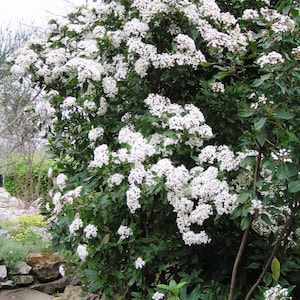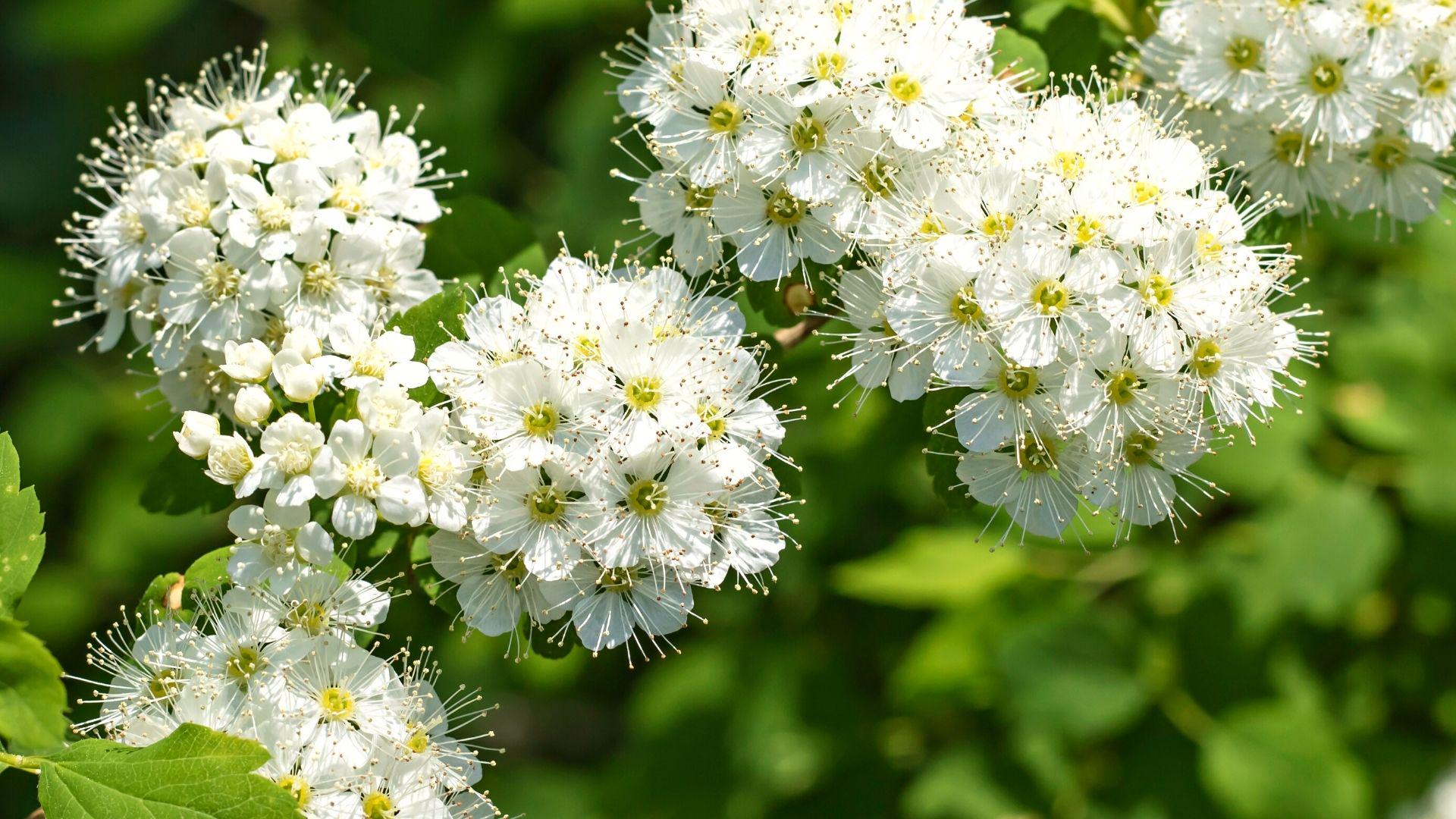
Seeds
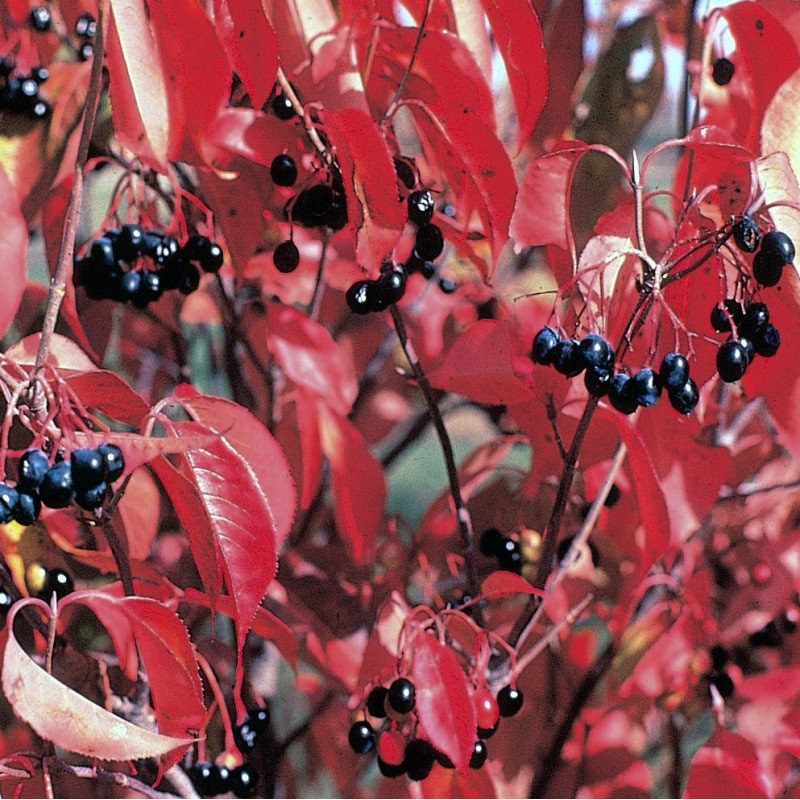
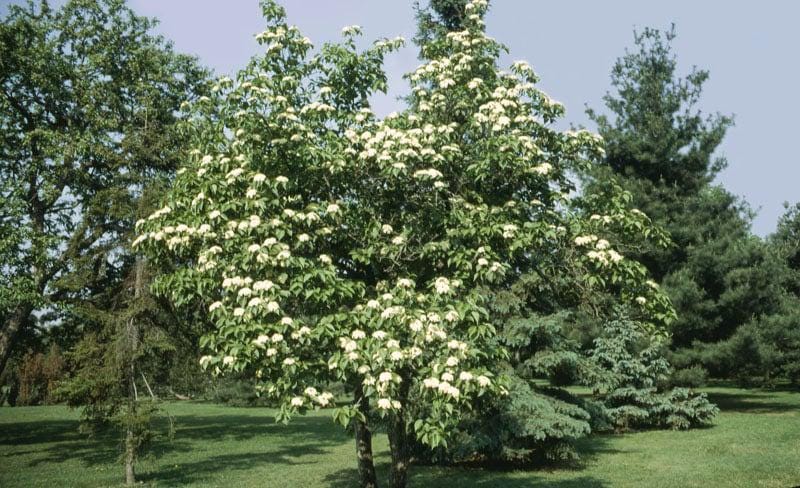
Viburnum Lentago seeds
$4.21 $7.01
-
DetailsViburnum is a genus of plants highly valued for its fragrant flowers and decorative berries. Sowing viburnum seeds can be a little tricky, as they require specific treatment to break dormancy and promote germination. Here are the steps to follow for successful viburnum seed sowing:
### 1. Preparing the seeds
Viburnum seeds are often dormant, meaning they won't germinate easily without prior treatment. There are two main preparation methods: **cold stratification** (simulating winter) and, in some cases, **scarification**.
- **Cold stratification**:
The most common method for breaking viburnum seed dormancy is cold stratification, which involves mimicking winter conditions. Here's how to do it:
1. **Mix the seeds with damp sand or perlite**: Place the seeds in a plastic bag or airtight container with some damp sand or perlite.
2. **Refrigeration**: Place this mixture in the refrigerator (at a temperature of approximately 4°C) for 3 to 4 months. This cold period simulates winter, allowing the seeds to prepare for germination.
3. **Checking**: Regularly check that the mixture remains moist, but not soggy.
- **Scarification (optional)**: Some viburnum seeds may benefit from light scarification to facilitate water absorption. You can gently rub the seeds between two sheets of sandpaper or use a file to lightly damage the outer shell of the seeds. This can be done before or after stratification.
### 2. Choosing the right time
Viburnum seeds are usually sown **in autumn or winter** to mimic natural cycles, but you can also sow them in **early spring**, after the stratification period.
### 3. Prepare the soil or potting mix
Viburnum prefers light, well-drained, slightly acidic to neutral soil. For indoor sowing, use a good quality seed-starting mix. If sowing directly outdoors, ensure the soil is well loosened and well-drained.
### 4. Sowing the seeds
- **Sowing in pots (indoors)**:
1. Fill pots or trays with light, moist potting soil.
2. Sow the seeds at a depth of about 0.5 to 1 cm, spacing them a few centimeters apart to prevent the seedlings from crowding each other.
3. Lightly cover the seeds with potting soil, then water gently to maintain constant moisture.
- **Direct sowing (outdoors)**:
If you are sowing directly in the ground, make sure the soil is well prepared, loosened, and well-drained. Sow the seeds at a depth of 0.5 to 1 cm and cover them lightly with soil. Space the seeds 10 to 15 cm apart.
### 5. Germination Conditions
- **Temperature**: The ideal temperature for germinating viburnum seeds is generally between 18 and 21°C. Indoors, place your seedlings in a bright location, but out of direct sunlight.
- **Germination**: Germination can be slow and irregular. It can take **4 to 12 weeks** or more, depending on conditions and prior treatment of the seeds.
### 6. Watering and Maintenance
- **Humidity**: Keep the soil or potting mix slightly moist, but not soggy. Excess moisture can lead to mold or seed rot.
- **Light**: Viburnum seeds need light to germinate, so do not cover them too deeply and place them in a bright location.
### 7. Thinning and Transplanting
- **Thinning**: When the seedlings have a few leaves, thin them out to keep only one plant per pot or per outdoor location.
- **Transplanting**: If sowing indoors, transplant the seedlings into individual pots when their roots begin to develop. If sowing outdoors, ensure the seedlings have enough space to grow.
### 8. Care of young plants
- **Moderate watering**: Water regularly, but without overwatering. Viburnum prefers slightly moist, but not soggy, soil.
- **Sun exposure**: Once the young plants have grown and the outside temperatures are suitable, you can acclimate them outdoors before transplanting them into open ground.
### 9. Outdoor Planting
- Once the seedlings have reached a sufficient size, you can plant them outdoors in a sunny or partially shaded location. Ensure the soil is well-prepared and well-drained, and water the young plants during the first few weeks after planting to help them establish.
### 10. Additional Tips
- **Patience**: Viburnum seeds can take time to germinate, and once germinated, the seedlings grow slowly at first. Be patient during the process.
- **Manage climatic conditions**: If you are sowing outdoors, make sure that the climatic conditions are suitable for the growth of viburnum. This plant prefers temperate climates and thrives in rich, well-drained soil.
By following these steps, you will be able to successfully sow **Viburnum** seeds and enjoy its beautiful flowers and decorative fruits in your garden! -
Shipping & Policies
Shipping from France
Processing time
1-2 business days
Customs and import taxes
Buyers are responsible for any customs and import taxes that may apply. I'm not responsible for delays due to customs.
Payment Options
Returns & Exchanges
Returns & exchanges accepted within 14 days
Buyers are responsible for return shipping costs. If the item is not returned in its original condition, the buyer is responsible for any loss in value.
The following items can't be returned or exchanged
Because of the nature of these items, unless they arrive damaged or defective, I can't accept returns for:
- Custom or personalized orders
- Perishable products (like food or flowers)
- Digital downloads
- Intimate items (for health/hygiene reasons)
Conditions of return
Buyers are responsible for return shipping costs. If the item is not returned in its original condition, the buyer is responsible for any loss in value.
Related Products