Seeds
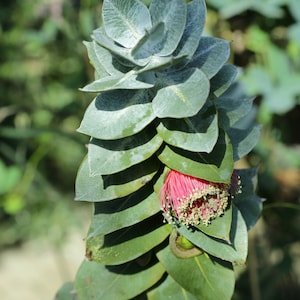
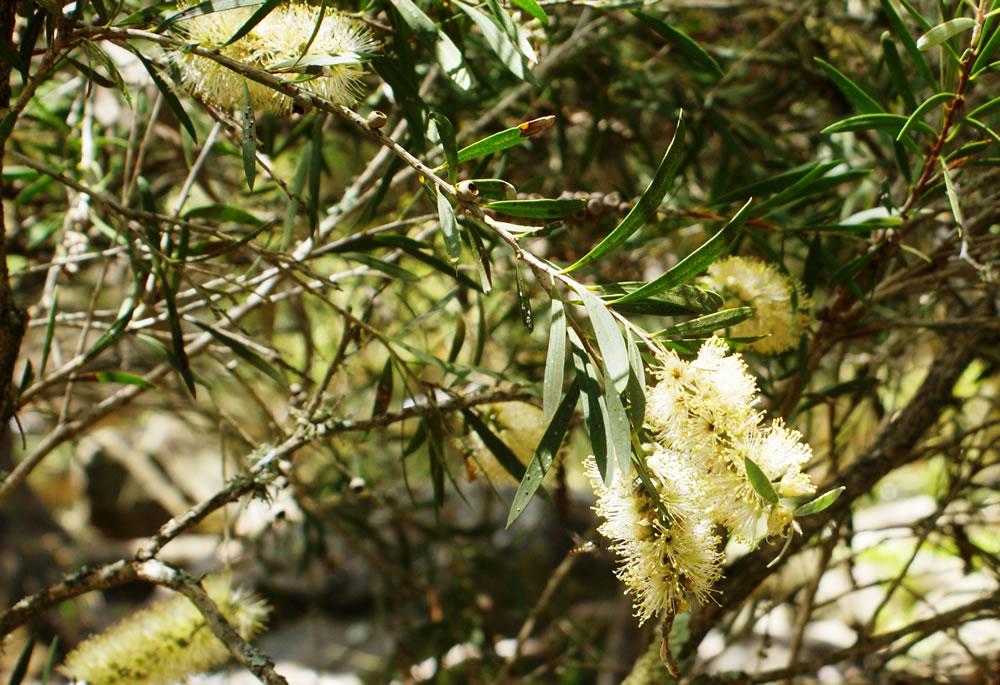
Callistemon sieberii seeds, Bottlebrush
$5.53
-
DetailsThe **Callistemon**, often called "brush bottle" because of its brush-like flowers, is a shrub prized for its spectacular blooms and evergreen foliage. Sowing **Callistemon** seeds can be a little tricky, but with the right method, you can successfully grow this plant in your garden. Here's a detailed guide to successfully sowing Callistemon seeds.
---
### **Materials needed:**
- **Callistemon** seeds.
- Light and well-draining substrate (potting soil, sand, perlite).
- Pots or seed trays.
- Spray bottle or watering can with a fine nozzle.
- Mini greenhouse or plastic film (optional).
- Indirect light or horticultural lamp.
---
### **Steps for sowing Callistemon seeds:**
#### 1. **Seed preparation:**
Callistemon seeds are small and have a hard shell, which can slow down germination. To improve the chances of germination, you can lightly scarify the seeds by gently rubbing them with sandpaper or lightly scraping them with a knife to thin the shell.
- **Soaking the seeds:** Place the seeds in lukewarm water for **24 hours** before sowing. This will help soften the shell and speed up germination.
---
#### 2. **Choosing the right time to sow:**
- The best time to sow **Callistemon** seeds is **in spring** (March-April), when temperatures are moderate and the days are longer.
- Seeds germinate best at a temperature between **18 and 24 °C**.
---
#### 3. **Substrate preparation:**
- Use a **light and well-draining mix**. You can combine seed-starting mix with sand or perlite to ensure good drainage.
- Fill pots or seed trays with this mixture and lightly tamp down to aerate the substrate.
---
#### 4. **Sowing:**
- **Sow the seeds on the surface** of the substrate. Callistemon seeds should be lightly pressed into the substrate without being buried, as they need light to germinate.
- **Lightly cover** with a thin layer of sand or perlite to retain moisture and protect the seeds.
---
#### 5. **Germination conditions:**
- **Humidity:** Maintain consistent humidity without overwatering. Gently mist the substrate with water to keep it light but not soggy.
- **Temperature:** Place the pots in a warm place, ideally at **18-24 °C**, and ensure that the temperature remains stable.
- **Light:** Callistemon seeds need light to germinate, so place the pots in a bright location, but out of direct sunlight. You can also use a grow light to provide additional light if needed.
---
#### 6. **Germination time:**
- Germination of Callistemon seeds can take **3 to 4 weeks**, but it can sometimes take up to 6 weeks depending on the conditions.
---
### **Seedling Care:**
#### 1. **After germination:**
- Once the seedlings appear, continue to maintain consistent humidity. Keep them in bright, cool conditions, but avoid direct sunlight, which could burn the young plants.
- **Ventilation:** If you are using plastic film or a mini-greenhouse, remove it slowly to allow gentle ventilation and avoid excessive humidity.
#### 2. **Watering:**
- Water moderately, preferably with a spray bottle, to avoid disturbing the small seedlings. The substrate should be moist but not soggy.
---
#### 3. **Transplanting:**
- When the seedlings have reached **2 to 5 cm** in height and you can easily handle them, you can begin transplanting them into individual pots. Take care not to damage the delicate roots during transplanting.
---
### **Transplanting in open ground:**
#### 1. **When to transplant:**
- Once the young plants are well established and the outside temperatures are mild, you can transplant them into open ground, usually **in spring** or **in summer**.
- Make sure that all risk of frost has passed.
#### 2. **Location:**
- The Callistemon prefers a location **in full sun** or slightly shaded.
- The soil must be well drained. If your garden soil is too heavy, you can amend it with sand or compost.
#### 3. **Spacing:**
- Leave **50 to 80 cm** between each plant to allow them to develop fully.
---
### **Post-planting maintenance:**
1. **Watering:**
- Callistemon prefers moderately moist soil, but it tolerates drought once established. Be careful not to overwater, as excess moisture can cause root rot.
2. **Size:**
- Prune dead or damaged branches to encourage denser growth and better flowering.
- You can also lightly prune the stems after flowering to encourage new growth.
3. **Fertilization:**
- Use a balanced liquid fertilizer for potted plants or flowering plants, once a month during the active growth period (spring and summer).
4. **Rustiness:**
Callistemon is relatively cold-hardy, but it's best to protect it from sub-zero temperatures in colder regions. You can plant hardier varieties or protect young plants in winter with horticultural fleece.
---
### **Additional tips:**
- If you live in an area with cold winters, it may be easier to grow Callistemon in a pot so that you can move it indoors during the cold season.
- Callistemon is also an attractive plant for pollinators, especially bees and birds, thanks to its nectar-rich flowers. -
Shipping & Policies
Shipping from France
Processing time
1-2 business days
Customs and import taxes
Buyers are responsible for any customs and import taxes that may apply. I'm not responsible for delays due to customs.
Payment Options
Returns & Exchanges
Returns & exchanges accepted within 14 days
Buyers are responsible for return shipping costs. If the item is not returned in its original condition, the buyer is responsible for any loss in value.
The following items can't be returned or exchanged
Because of the nature of these items, unless they arrive damaged or defective, I can't accept returns for:
- Custom or personalized orders
- Perishable products (like food or flowers)
- Digital downloads
- Intimate items (for health/hygiene reasons)
Conditions of return
Buyers are responsible for return shipping costs. If the item is not returned in its original condition, the buyer is responsible for any loss in value.
Related Products