
Seeds
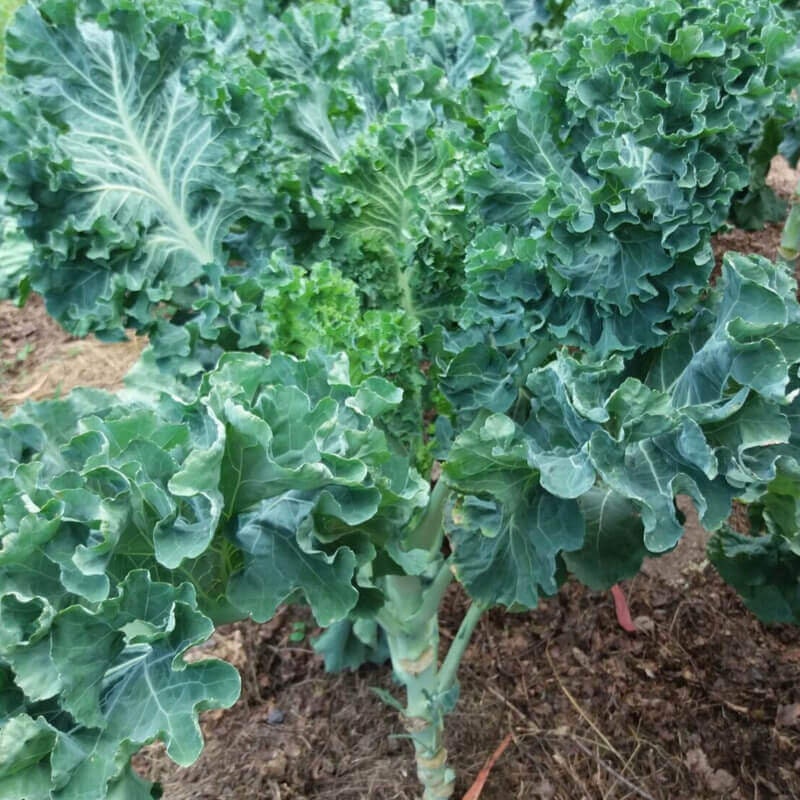
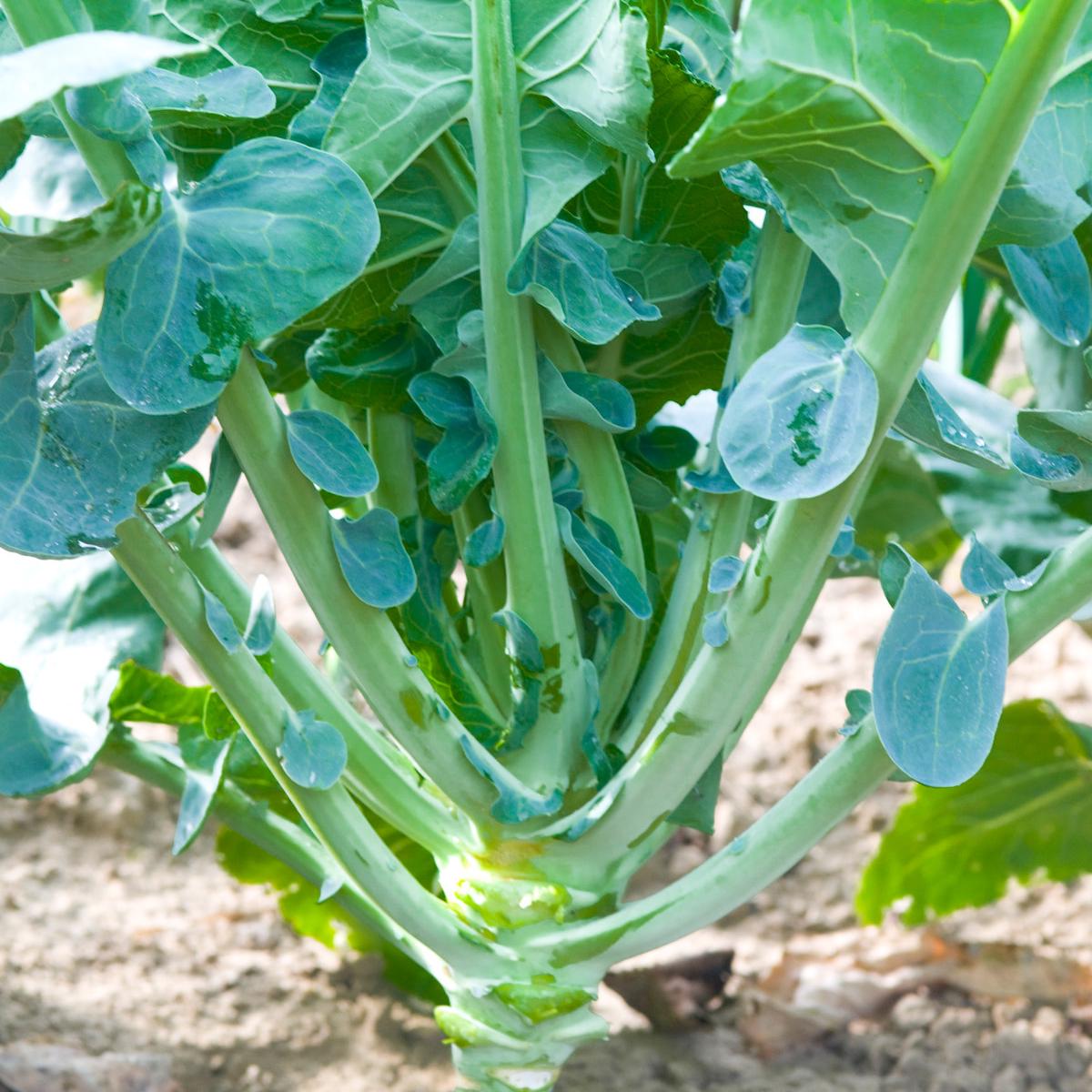
50 Mollier Proteor Cabbage Seeds, Brassica Oleracea Var. Medullosa
$4.08 $6.79
-
DetailsSowing Brassica seeds (a genus that includes vegetables such as cabbage, broccoli, cauliflower, turnip, and more) is relatively simple and very popular for growing vegetables in home gardens. Here is a detailed guide to successfully sowing Brassica seeds:
---
### **Materials needed:**
- **Brassica** seeds (cabbage, broccoli, cauliflower, etc.).
- Light and well-draining substrate (seedling soil, sand, perlite).
- Pots or seed trays.
- Spray bottle or watering can with a fine nozzle.
- Mini greenhouse or plastic film (optional).
- Warm water (for soaking the seeds if necessary).
- Labels to mark the seedlings (optional).
---
### **Steps for sowing Brassica seeds:**
#### 1. **Choose the right time to sow:**
- Sowing **Brassica** seeds can begin **indoors** or in a **greenhouse** approximately **6 to 8 weeks** before the last expected frost if you live in a colder climate. In warmer climates, you can sow directly outdoors.
- **Ideal temperature** for germination: **15 to 20°C**.
#### 2. **Prepare the substrate:**
- Use a **light** and well-draining substrate. A potting mix specifically designed for seedlings or a homemade mix including **potting soil** and **perlite** or **sand** will work perfectly.
- Fill pots or seed trays with this substrate, taking care not to pack the mixture too tightly. Ensure the pots have drainage holes to prevent excess moisture.
---
#### 3. **Sow the seeds:**
- **Indoor sowing**:
Sow the seeds at a depth of approximately **0.5 to 1 cm** in the substrate. You can sow them on the surface and cover them lightly with soil. **Brassica** varieties do not need much depth to germinate.
- Leave a spacing of **2 to 5 cm** between the seeds.
- **Direct sowing outdoors**: If you are sowing directly in the ground, make shallow furrows (approximately **1 cm**) and sow the seeds at regular intervals. Once the seedlings have emerged, you can thin them out to leave a spacing of approximately **20 to 30 cm** depending on the variety.
---
#### 4. **Germination conditions:**
- **Humidity**: Keep the substrate slightly moist but not soggy. **Light watering** or **misting** is recommended to avoid disturbing the germinating seeds.
- **Temperature**: For germination, maintain a temperature between **15 and 20°C**. You can place the pots in a warm and bright location, or use a **mini-greenhouse** or **plastic film** to maintain heat and humidity.
- **Light:** Brassica seeds need light to germinate, so be sure to place them in a bright location. If you are sowing them indoors, a **grow light** can be helpful if natural light is insufficient.
---
#### 5. **Germination time:**
- In general, **Brassica** seeds germinate in **7 to 14 days**, depending on temperature and humidity. Be patient and regularly check the seedlings to ensure they receive enough light and moisture.
---
### **Seedling Care:**
#### 1. **After germination:**
- When the seedlings appear, they need bright but indirect light. If they are too far apart, you can move them under a **grower's lamp**.
- **Temperature**: Once the seedlings have germinated, slightly reduce the temperature to around **15°C** to avoid etiolation (the plants become too long and fragile in their search for light).
#### 2. **Watering:**
- Young Brassica plants should be kept in a moist, but not waterlogged, substrate. Water regularly, ensuring that excess water can drain away.
#### 3. **Lightening:**
- Once the seedlings have developed a few leaves, it may be necessary to thin them out so they are not too crowded. Leave about 5 to 10 cm between each plant in the pots. You can keep the strongest ones and remove the weakest.
---
#### 4. **Transplanting:**
- When the **Brassica** plants are about **4 to 6 weeks old** and have formed several leaves, you can transplant them into larger pots or directly into the ground (if the weather permits).
- When you transplant them, be careful not to bury the stems of the young plants to prevent them from rotting.
---
### **Transplanting in open ground:**
#### 1. **When to transplant:**
Cabbage, broccoli, cauliflower, and other Brassica vegetables can be planted outdoors after all risk of frost has passed (usually in spring). Temperatures should be around 10°C or higher to promote growth.
#### 2. **Location:**
Brassica plants prefer well-drained, organic-rich soil. Enriching the soil with compost or organic fertilizer can be beneficial.
- They prefer a **location in full sun** or **partial shade**, with a minimum of 6 hours of direct sunlight per day.
#### 3. **Spacing:**
- The spacing between plants varies depending on the variety, but in general, leave a spacing of **30 to 50 cm** between adult plants to allow them to develop properly.
---
### **Post-planting maintenance:**
1. **Watering:**
- **Water regularly**, especially during dry periods, but make sure the soil is not waterlogged.
- Use a watering can with a fine nozzle to avoid disturbing the young roots.
2. **Fertilization:**
Brassica plants are quite demanding in terms of nutrients. Add a nitrogen-rich fertilizer during their growth to promote leaf development.
3. **Pest control:**
Brassica plants are susceptible to aphids, cabbage flies, and other insects. Use natural treatments or repellents such as insecticidal soap or neem if necessary.
4. **Harvest:**
Brassica vegetables can be harvested approximately 2 to 4 months after sowing, depending on the variety. Harvest the leaves (for cabbage or broccoli) or the heads (for cauliflower) when they are well developed.
---
### **Additional tips:**
- **Crop rotation**: It is advisable to practice **crop rotation** to avoid the accumulation of diseases in the soil, as plants of the **Brassica** genus can be susceptible to certain soil diseases.
- **Mulching**: Using mulch around plants can help retain moisture and prevent weed growth. -
Shipping & Policies
Shipping from France
Processing time
1-2 business days
Customs and import taxes
Buyers are responsible for any customs and import taxes that may apply. I'm not responsible for delays due to customs.
Payment Options
Returns & Exchanges
Returns & exchanges accepted within 14 days
Buyers are responsible for return shipping costs. If the item is not returned in its original condition, the buyer is responsible for any loss in value.
The following items can't be returned or exchanged
Because of the nature of these items, unless they arrive damaged or defective, I can't accept returns for:
- Custom or personalized orders
- Perishable products (like food or flowers)
- Digital downloads
- Intimate items (for health/hygiene reasons)
Conditions of return
Buyers are responsible for return shipping costs. If the item is not returned in its original condition, the buyer is responsible for any loss in value.
Related Products
Graines de Agave Deserti var. Pringlei
$5.43
$9.04
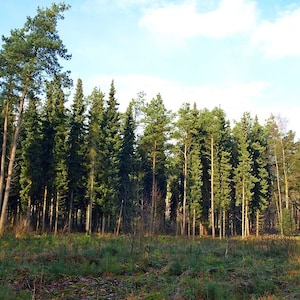
10 Serbian Spruce Seeds, Picea omorika
$6.92
$11.53
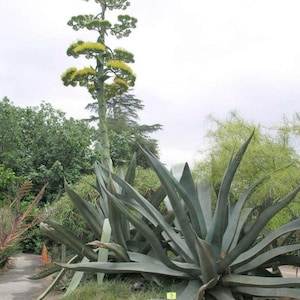
Graines de Agave Salmiana x Mapisaga
$5.43
$9.04
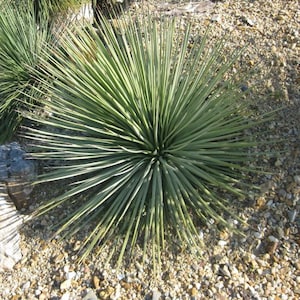
Graines de Agave Striata subsp Striata
$5.43
$9.04