
Vegetables
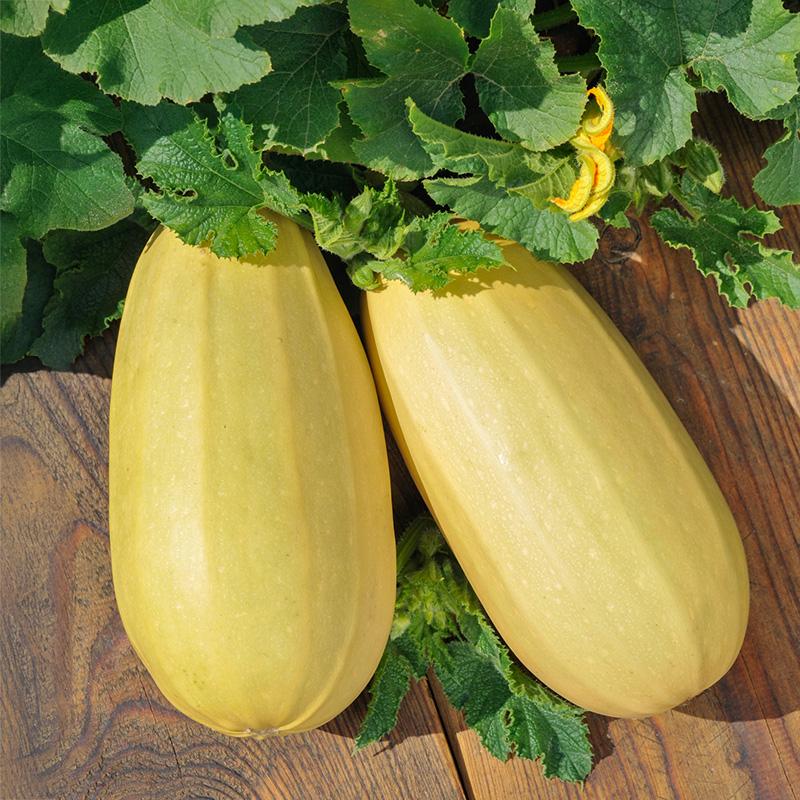
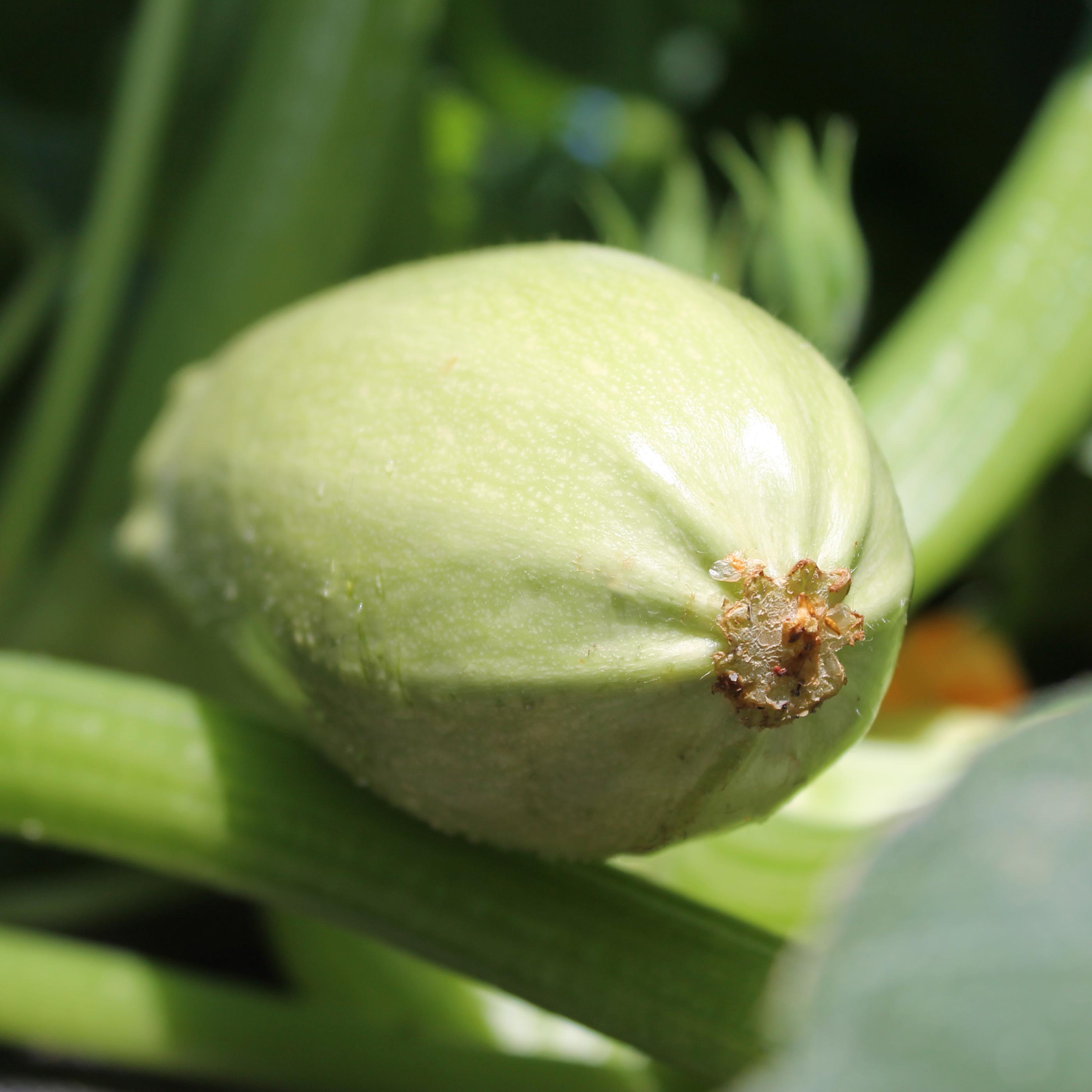
20 Zloty Cepelin Zucchini Seeds, Cucurbita Pepo
$4.06 $6.77
-
DetailsSowing **squash seeds** (genus *Cucurbita*) is fairly easy, but there are a few steps to follow to ensure good germination and optimal growth. Squash varieties, such as butternut, winter, and pumpkin-type squash, require warm soil and a little patience to thrive. Here is a step-by-step guide to successfully sowing squash seeds.
---
### **Materials needed:**
- **Squash** seeds (butternut squash, zucchini squash, pumpkin, etc.).
- Light and well-drained potting soil.
- Pots or seed trays (if sowing indoors).
- Substrate or compost (if sowing directly in the ground).
- Watering can or sprayer.
- Mulch (optional).
---
### **Steps for sowing pumpkin seeds:**
#### 1. **Seed preparation:**
Before sowing pumpkin seeds, it's generally not necessary to soak them unless they are very dry or you want to speed up germination. However, if you are using heirloom seeds or want to ensure they germinate, you can soak them for **24 hours** in lukewarm water to encourage germination.
---
#### 2. **Sowing the seeds:**
Sowing squash seeds can be done in different ways, indoors or directly in open ground.
##### **A. Indoor sowing (if you want to start earlier in the season):**
- **When to sow**: If you are sowing indoors, do so approximately **3 to 4 weeks before the last expected frost** in your region (usually in spring).
- **Prepare the pots**: Fill small pots with **light potting soil**, ideally designed for seedlings, or a mixture of potting soil and compost. You can use peat pots, as this will make transplanting easier.
- **Sow the seeds**: Plant **one seed per pot** at a depth of approximately **2 to 3 cm**. Be careful not to bury the seeds too deeply.
- **Watering**: Water gently with a spray bottle to avoid disturbing the seeds. Keep the soil moist (but not soggy) during the germination period.
- **Temperature**: Pumpkin seeds need **warmth** to germinate. The ideal temperature is **20 to 25°C**. You can place the pots in a warm spot, such as on a radiator or in a heated greenhouse.
##### **B. Direct sowing (if you are in a warm climate region):**
- **When to sow**: Wait until the soil has warmed up and the risk of frost has passed. This generally corresponds to late spring or early summer, when temperatures reach around **15°C**.
- **Prepare the soil**: Loosen the soil on a well-drained surface. Squash like **cool and well-fertilized** soil, so if your soil is poor, enrich it with **compost** or **well-rotted manure**.
- **Spacing**: Sow the seeds **2 to 3 cm deep** and space them **30 to 50 cm apart** depending on the squash variety. If you are planting several rows, space them about **1 meter apart**.
- **Sowing in clusters**: For each seed, you can sow in **clusters of 2 to 3 seeds**. This ensures better germination, and you can thin them out later to leave the strongest plant.
---
#### 3. **Germination conditions:**
- **Temperature**: Pumpkin seeds need a warm temperature to germinate, between **20°C and 25°C**. Make sure the soil stays within this temperature range.
- **Humidity**: Keep the soil slightly moist until germination, but be careful not to create overly humid conditions that could encourage mold growth. Light and regular watering with a spray bottle is recommended.
- **Germination**: Pumpkin seeds generally germinate in **7 to 10 days**, depending on temperature and conditions.
---
#### 4. **Post-germination care:**
Once the seeds have germinated and the seedlings appear, you must take care of your squash to allow them to develop well.
- **Thinning**: If you have sown several seeds per hole, thin them out to keep only the strongest plant. The ideal distance between each squash plant is approximately **30 to 50 cm**.
- **Watering**: Squash plants need **plenty of water**, especially during their active growth period. Water regularly, particularly during dry periods. Watering at the base of the plants, rather than on the foliage, is preferable to prevent fungal diseases.
- **Mulching**: Use **mulch** around plants to keep the soil moist and limit weed growth.
- **Sun exposure**: Squash plants need **plenty of sun**. Plant them in a location that receives at least **6 to 8 hours of direct sunlight per day**.
- **Fertilization**: If necessary, you can add a fertilizer rich in potassium and phosphorus to promote fruit production.
---
#### 5. **Harvesting the squash:**
- Squash are generally ready to harvest when the fruits have reached their maximum size and their skin is firm. Harvesting usually takes place between **70 and 120 days after sowing**, depending on the squash variety.
- If you have sown summer squash (like courgette), you can harvest them young, before they get too big.
- Winter squashes (like pumpkins or butternut squash) should be harvested once their skin has become hard and they make a hollow sound when tapped.
---
### **Additional tips:**
1. **Crop rotation**: Do not plant squash in the same place every year, as they are susceptible to soil diseases such as blight.
2. **Disease and pest control**: Keep an eye on the squash for signs of disease or insect pests, such as aphids, slugs, or mildew.
3. **Size**: Some squashes, especially pumpkin-type squashes, can take up a lot of space. If you are short on space, you can try growing them vertically using trellises.
4. **Late-season harvest**: For winter squash, you can harvest late in the season, but make sure they have ripened before the first frost. You can store them in a cool, dry place to eat later. -
Shipping & Policies
Shipping from France
Processing time
1-2 business days
Customs and import taxes
Buyers are responsible for any customs and import taxes that may apply. I'm not responsible for delays due to customs.
Payment Options
Returns & Exchanges
Returns & exchanges accepted within 14 days
Buyers are responsible for return shipping costs. If the item is not returned in its original condition, the buyer is responsible for any loss in value.
The following items can't be returned or exchanged
Because of the nature of these items, unless they arrive damaged or defective, I can't accept returns for:
- Custom or personalized orders
- Perishable products (like food or flowers)
- Digital downloads
- Intimate items (for health/hygiene reasons)
Conditions of return
Buyers are responsible for return shipping costs. If the item is not returned in its original condition, the buyer is responsible for any loss in value.
Related Products

50 Red Salad Bowl Lettuce Seeds, Lactuca Sativa
$4.06
$6.77

30 Cylindra Beetroot Seeds, Beta vulgaris
$4.06
$6.77
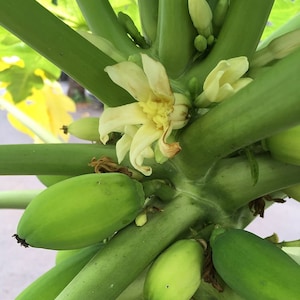
5 Papaya Seeds, Carica Papaya, Tropical Melon
$4.47
$7.45